
Written by Jesse Solomon
You’ve probably heard the word fentanyl tossed around—on the news, in conversations about overdose, or whispered in fear among people who’ve lost someone too soon. It’s become a kind of shorthand for tragedy, but behind the statistics and headlines lies something deeply human: confusion, heartbreak, and the terrifying unpredictability of a drug that doesn’t play by any of the old rules.
So what is fentanyl poisoning? Why does it feel like every overdose story you hear lately somehow leads back to it? And what makes it so much deadlier than the drugs that came before? What is this new enemy, and how do we combat it?
The Basics: What Fentanyl Actually Is
Fentanyl is a synthetic opioid—a lab-made painkiller designed to mimic morphine but at about 50 to 100 times stronger. It was originally developed for legitimate medical use: managing severe pain, especially for people with cancer or those recovering from major surgery. In hospitals, it’s measured in micrograms and administered by trained professionals—the same cannot be said for the streets.
Outside of hospitals, fentanyl has become the most dangerous street drug in America. It’s often mixed—unknowingly—into heroin, cocaine, meth, and counterfeit pills like Xanax or Percocet. That’s where the problem starts. People think they’re taking one thing, but they’re actually taking another—or some unpredictable combination.
Fentanyl Poisoning vs. Overdose
The term “fentanyl poisoning” has started replacing “overdose” in a lot of conversations, and for good reason. “Overdose” implies that someone took too much. “Poisoning,” on the other hand, acknowledges the reality: many people who die from fentanyl never meant to take it at all.
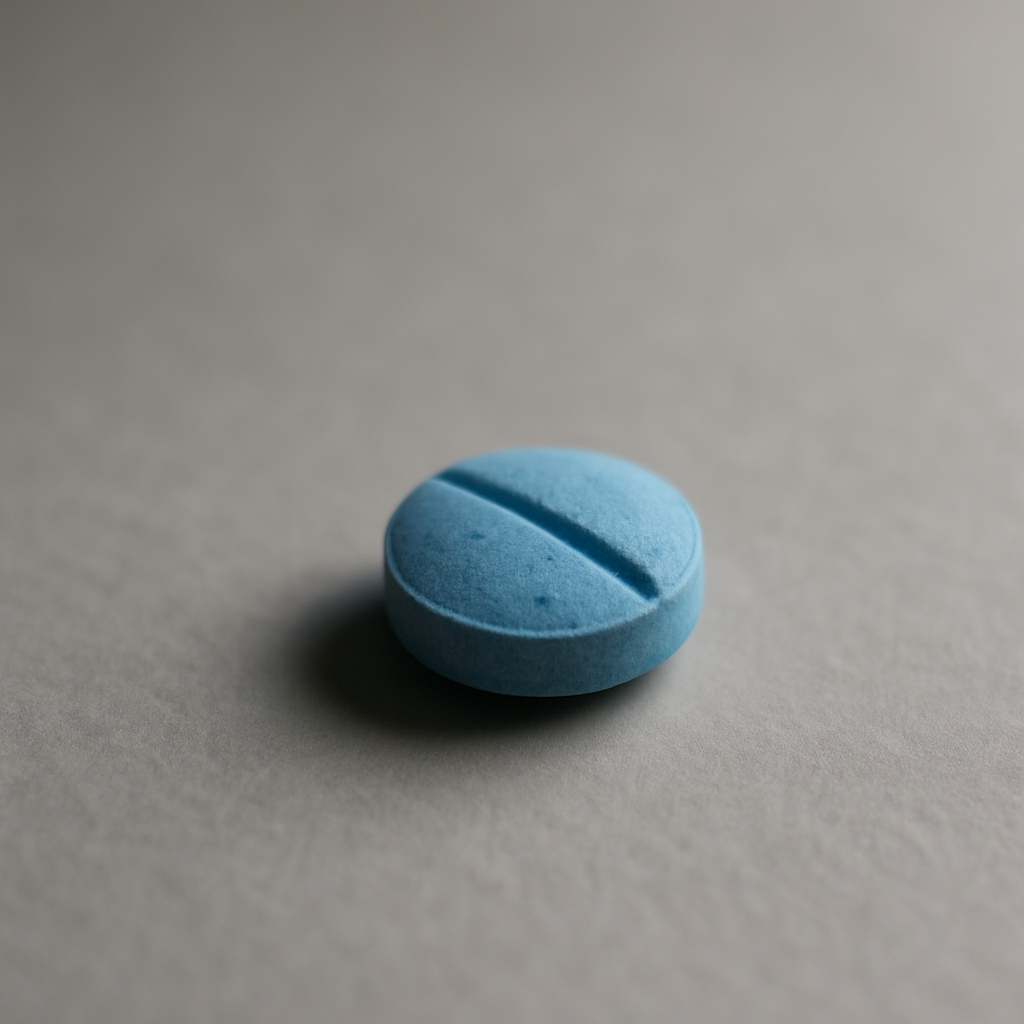
It’s not that they misjudged a dose—it’s that they didn’t even know they were taking it. One counterfeit pill pressed in a basement lab can contain enough fentanyl to kill multiple people. There’s no quality control, no way to eyeball it, and no safe amount when you don’t know what you’re getting.
How Fentanyl Poisoning Happens
Fentanyl poisoning usually happens when:
- Someone takes a fake prescription pill that’s been pressed with fentanyl.
- A batch of heroin or cocaine has been cut or laced with fentanyl.
- Fentanyl is mixed into vaping products or mixed into powdered drugs
Even a tiny amount—two milligrams, about the size of a few grains of salt—can be lethal.
That’s part of what makes this crisis so insidious. The danger isn’t just to habitual users; it’s to teenagers experimenting for the first time, to people in recovery who relapse after months or years clean, to anyone who assumes they’re taking something “safe.”
Nothing is safe anymore.
Why It’s So Deadly
Fentanyl acts fast. Once it enters the bloodstream, it binds tightly to opioid receptors in the brain—the ones that control pain, reward, and, crucially, breathing. The user quickly slips into respiratory depression. Without intervention, oxygen levels drop, the heart slows, and the body shuts down.
The window for saving someone is brutally short—sometimes just two to three minutes. That’s why naloxone (Narcan) is so critical. It can reverse the effects of opioids and bring someone back if administered in time. But even Narcan struggles to keep up with the potency of fentanyl; multiple doses may be needed.
The Scope of the Crisis
According to recent data, over 70,000 Americans die each year from fentanyl-related poisonings. It’s now a leading cause of death for adults aged 18 to 45—surpassing car accidents, gun violence, and even suicide.
But numbers alone don’t tell the story. Every statistic represents a person—a friend, a sibling, a child—whose life was cut short by something they never saw coming.
We hear the headlines all the time about celebrities who die of this—Mac Miller, Lil Peep, Angus Cloud—just to name a few.
But we all have stories of people we have lost. Personally, I have seen countless friends from this. From my best friend, Geoff Tamayo, to acquaintances I have met in passing. I’ve been to more memorials than anyone should ever have to.
At Beit T’Shuvah, we see the ripple effects every day: the families who thought their loved one was “just using a little,” the people in recovery terrified of what’s out there now, and the heartbreaking truth that the drug supply has changed, even if the disease hasn’t.
Hope, Education, and Recovery
The antidote to fentanyl poisoning isn’t just Narcan—it’s knowledge, prevention, and connection. People need to know that any street drug can contain fentanyl. They need to have access to testing strips, to treatment, to honest conversations that shred shame and replace it with understanding.
At Beit T’Shuvah, we believe recovery begins with truth. The truth is that addiction is a disease, not a moral failure—and fentanyl has made that disease more deadly than ever. But it’s also shown us something powerful: that recovery, community, and compassion are literally life-saving.
And that’s something worth fighting for.