
In this day and age, gambling is more accessible than it has ever been. There are an ever-growing number of apps that facilitate casino gambling, sports betting, and just about anything else you could imagine. There are even apps that you can bet on real-life events, like whether it will rain in St. Louis or how many times Cartman is going to curse on tonight’s episode of South Park. These TV vigs and weather wagers can be sneakily dangerous. When the wins are big, the losses are seemingly all out of sight, out of mind—but where does that leave the gambler? Isolated is the answer, and in serious need of proper support systems.
One complication with the overall concept of gambling addiction is a ‘perception’, one which certainly applies to drug and alcohol addiction as well. If a person has money to gamble, then the addiction will never “appear” as severe, which contributes to the mental torment people in the gambling communities must face—someone always has enough to lose. Justin’s story helps us to understand how difficult and isolating this addiction can become.
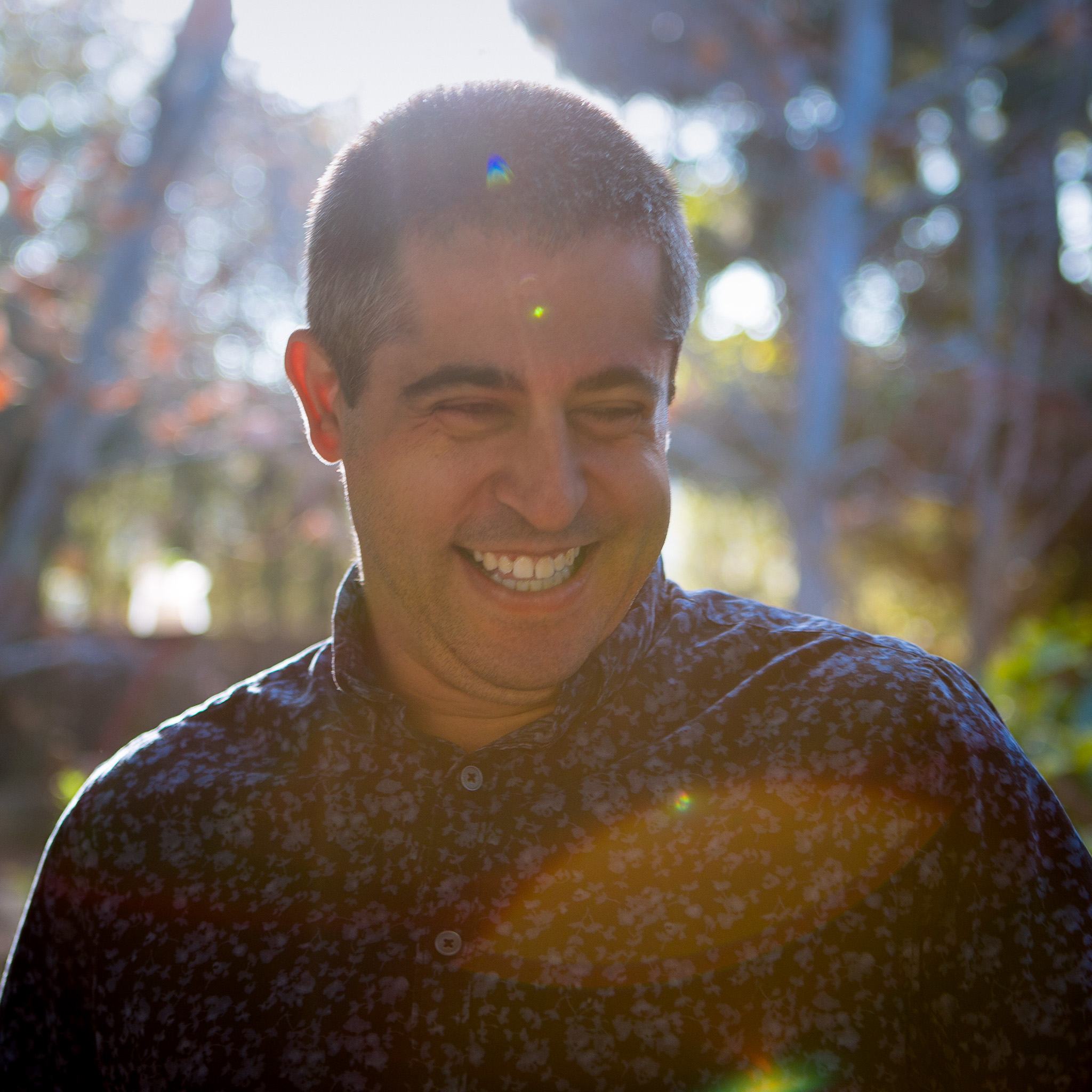
Justin is athletic, quick with a joke, and outwardly easygoing. Shy at first, but once he settles in, his humor lands easily. Looking back, he understands that the humor wasn’t just personality—it was protection. “A lot of it was masking,” he mentions, comedy became a way to stay ahead of the pain he didn’t yet have language for.
He grew up in Tarzana in a middle-class family with an older sister, whom he was close to. His early years revolved around sports—little league games, practices, weekends organized around baseball. In smaller school environments, he did well academically and socially. Structure helped. Being known helped. Unfortunately, that sense of stability fractured as adolescence set in.
Justin attended a small elementary school, then transferred to Milken for seventh grade. He did well there, began learning Hebrew, and made friends. But at home, things were shifting. His parents were under financial and emotional strain, and the divorce—though not yet official—was already reshaping the household.
In eighth grade, Justin transferred to a large public school in Calabasas. The scale overwhelmed him. Everyone seemed to know exactly where they belonged, and he didn’t. He managed academically, but socially, he felt invisible. Being “the new kid” became familiar. By ninth grade, the pressure intensified. His parents were still living together, but the fighting was constant. His father was already in another relationship, coming and going. The divorce dragged on for years without resolution. Around the same time, Justin’s sister and closest emotional anchor left for college at the University of Wisconsin. “I felt abandoned, like I didn’t have anyone.”
He attempted to start ninth grade at Calabasas High School, but it barely lasted two weeks, transferring to New Community Jewish High School. The adjustment was difficult as many of the students had grown up together—but the environment felt more contained. On the surface, life stabilized. Justin had friends, structure, a sense of belonging. What no one saw was that something else had already taken hold, the emotional neglect as a result of his parents’ complicated divorce, found its balance through gambling. At sixteen, Justin was introduced to poker at a family friend’s weekly game in Beverly Hills. Small buy-ins. Familiar faces. His dad covered losses; Justin kept the winnings. It felt harmless, social, even encouraged.
But gambling didn’t just distract him. It organized his mind. During a time when home felt chaotic and emotionally unsafe, gambling provided focus and anticipation. “When I had action it felt like my zen.” Soon, the games moved online. When Justin started working banquet jobs in high school, he gained access to money and independence—and late nights gambling alone. What began socially became isolating, a safe space that would eventually overrun his life.
A close neighbor friend who gambled with him eventually pulled away, telling Justin he was worried. That moment, losing a friendship because of gambling, stayed with him, “That was the first time someone said, ‘You have a problem,’ and walked away.”
In 2009, Justin left for the University of Arizona, believing it would reset everything. Freshman year was manageable. He partied, drank socially, went to class. Gambling existed, but it hadn’t yet taken control. Sophomore year and a fake ID changed everything. After getting a car, Justin suddenly had access to nearby casinos. Blackjack became his obsession, and early wins convinced him he’d found his calling. “I really thought I was going to be a professional gambler.” He stopped caring about school, skipped classes, and gambled during finals week—often in the mornings, surrounded by retirees decades older than him.
“I remember sitting there at ten in the morning thinking, ‘What am I doing?’ But I didn’t stop.”
By the end of sophomore year, Justin was placed on academic probation. In 2010, he was kicked out of the university. That loss never left him. When Justin returned to Los Angeles carrying quiet grief and shame, he realized these were emotions gambling seemed uniquely capable of numbing. He was no longer winning and was just trying to get back what he’d lost.
Community college at Pierce followed, then fast-cash jobs, Vegas trips. Free rooms fed the illusion of control. Winning felt euphoric; losing felt unbearable. Each drive home was filled with promises that didn’t hold.
After getting a job working at his dad’s law firm during COVID, things looked almost functional. Justin was earning steady income, showing up, learning skills. But underneath, the gambling never stopped. He struggled with a quiet sense that he didn’t deserve the job—that his father felt bad for him, that the position was fragile. That belief fed resentment, shame, and eventually self-sabotage.
Eventually, his mother moved to Las Vegas, where the family owned property on the outskirts of the city. His sister later joined her there after COVID. Justin stayed behind with his father in Los Angeles, carrying the weight of being the one who didn’t ‘move on’.
Visits to Vegas were complicated. Sometimes Justin would see his mother. Other times, he would go alone and not tell her, gambling on the Strip, isolating, losing money quickly, and driving back home overnight. “I’d lose everything within hours, I wouldn’t even use the room.”
Back at the firm, things began to unravel. Justin became involved in a conflict with a coworker and said things he now deeply regrets, “That one hurt, I lost the job and the relationship at the same time.” The loss hit harder because the job had represented stability, proof that he could function. This rupture marked a turning point.
Shortly after, cocaine entered his life more seriously. While he had experimented lightly in the past, this was different. “Once I started doing it alone, it took off.” Cocaine didn’t replace gambling—it mirrored it. The same obsessive thinking. The same inability to stop. “It’s not about the substance,” he explains, “It’s the thinking.”
When Justin’s father discovered the cocaine use, he made the difficult decision to ask him to leave the house. Justin entered sober living in 2023 and stayed clean for several months. Even when he sought help previously through GA meetings or Zoom IOP during COVID, he was half-committed. Gambling, after all, hides easily. It can look like ambition. Like hustle. Like someone who just ‘likes the thrill’. For Justin, a lot of his problems stemmed from a desire to please his gambling buddies, a means of connection. This meant saying no was a challenge—resulting in constant late nights, mounting debt, and difficulty pulling away when he knew he needed to.
Justin found another job at a law firm and completed IOP, moving to Simi Valley into a shared rental connected to someone from sober living, a chance at independence. At the same time, he rejoined bowling leagues, a lifelong passion that had once been a healthy family activity. Bowling had always connected him to his father, uncle, and sister. But now, it also connected him to gamblers and heavy drinkers.
Justin began living two parallel lives. On one night of the week, he bowled with family, staying relatively contained, drinking minimally. On another night, he bowled with a different league: men who drank heavily, gambled aggressively, and normalized excess, “I did that on purpose,” he admits, “I had two versions of myself.” The league environment became a gateway again. Drinking escalated. Cocaine returned. Gambling followed.
By the final months before he entered Beit T’Shuvah, Justin’s life had narrowed to survival. Rent money was gambled away. Credit card debt piled up. He sold his golf clubs and bowling equipment—sentimental objects tied to childhood, identity, and joy, “That’s when I knew how bad it had gotten.”
At the end of July, with nothing left, Justin made the call that brought him to Beit T’Shuvah. What surprised him first wasn’t structure—it was safety. For the first time in years, Justin wasn’t waking up panicked. “I used to wake up thinking, Who do I owe? What did I do last night?” Now my mornings are quieter.” The absence of chaos didn’t feel comfortable at first; it felt unfamiliar. “I had to learn how to sit with discomfort instead of running from it.”
At BTS, Justin began doing what he had never done before: fully participating. He got a sponsor he trusts. He started working steps. He took commitments, becoming secretary of the Sunday night Gamblers Anonymous meeting. “I don’t want to just attend, I want my name to mean something. I want people to know me.”
Relapse-prevention groups gave him tools he’d never had: identifying triggers, planning for high-risk situations, learning how to sit with urges instead of obeying them. “GA and relapse prevention helped me see what a recipe for success actually looks like. It’s not just willpower.”
Connection has become central. Justin has formed sober friendships that aren’t transactional, relationships not built around gambling, drinking, or using. “These are people who actually want the best for me, and I want the best for them.”
Justin has also reconnected with his Jewish identity. He was unsure how he felt about Shabbat and tradition when he arrived, but over time, something shifted. “It [Shabbat] activated something. It feels like a connection…like high school again, when I actually felt part of something.” He describes it as healing an inner child who had felt unmoored for a long time.
At BTS, Justin has gravitated toward small, grounding rituals. Ping-pong has become a daily anchor, less about winning and more about connection. Games turn into conversations. Competition has turned into camaraderie.
For years, gambling and cocaine consumed not only his money and relationships, but his hours — the long stretches of anticipation, the obsessive thinking, the constant movement toward the next hit of relief. Today, Justin is over four months free from gambling and substances. He’s honest about vulnerability. Scratch-off tickets can still trigger him. Money still carries weight, “I don’t know everything yet, but I know I can get through today.”
These days, Justin strides confidently in his recovery. He possesses a stark awareness surrounding a gambling addiction that has consumed his life up until now, and he understands the severity of it—though it no longer defines him. The BTS community has been a landmark guiding his trajectory into a future where the hope is that he can reach others who have suffered at the dealer’s hands. He’s got a big energy, and his positivity is contagious.
One thing is certain for Justin: there is only one day that matters: today—and you can be sure he’s not going to be putting it all on the line for anything other than his recovery.