
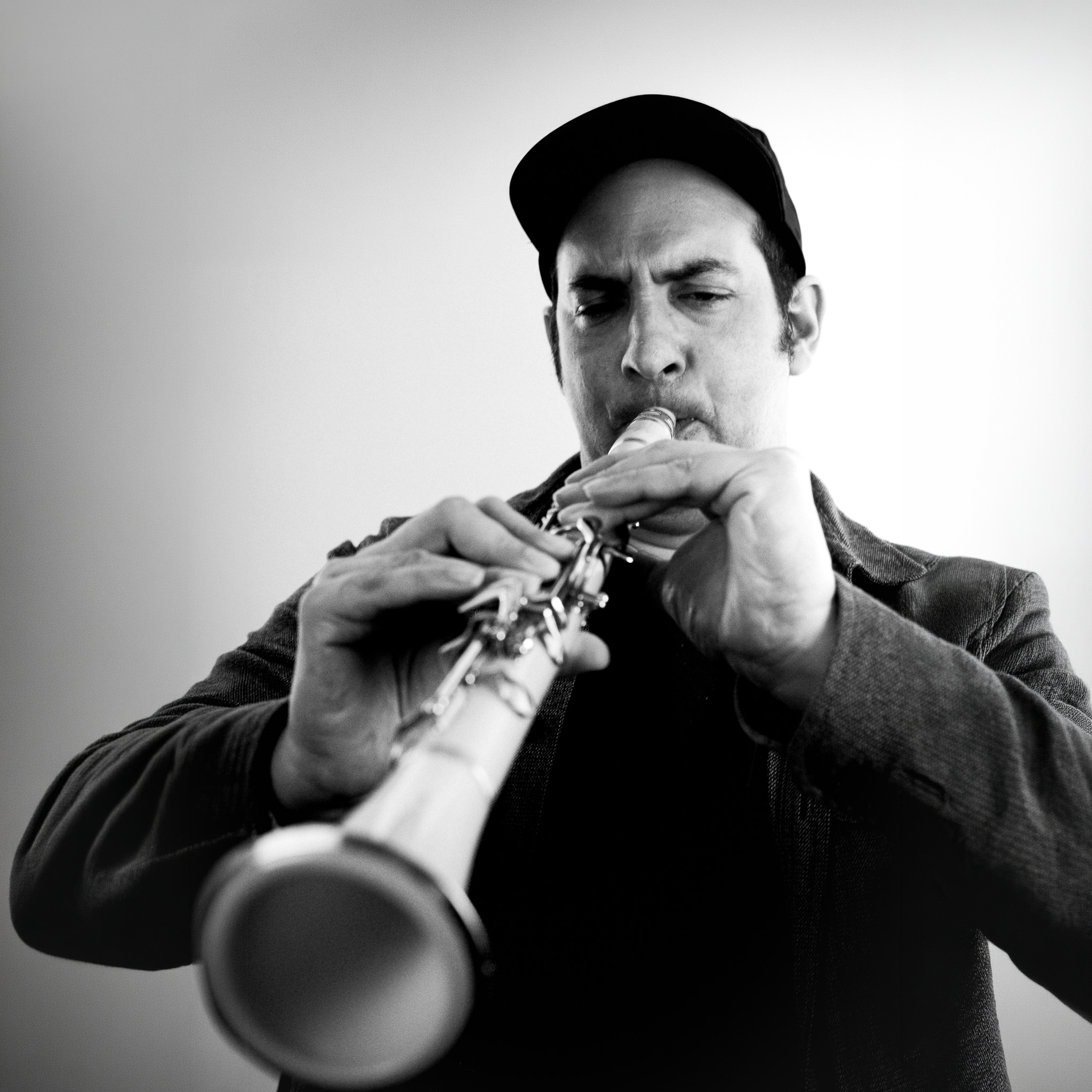
Gently tinted days had music drifting in the background. Asaf L.’s dad used to take him camping, and he would make mix tapes pretending he was a DJ. He was once a little boy teaching himself guitar, making fake radio broadcasts, and trying to make people laugh. Asaf was the self-proclaimed mascot of his family. He reflects with a grin, “the cute kid who said funny shit,” and danced to MJ in a red patent leather jacket. Sit down with Asaf and you’ll meet someone intelligent, funny, self-aware, and deeply human. He carries contradiction gratefully, cynical yet hopeful at the same time. Look beyond his personal brand of muted charm, and you’ll find someone who has struggled much of their life just to feel okay.
The youngest of three children by twelve years, Asaf was the baby everyone loved. He was quite a happy kid for much of his childhood, and could spend hours creating worlds and entertaining himself. Though mom and dad, both Israeli immigrants, could make the emotional environment turbulent. Still, they loved him deeply and encouraged his interests. He remembers the beginning with unmistakable tenderness. At school, something changed when Asaf was placed in the Gifted and Talented program. He felt like he didn’t belong, becoming withdrawn, anxious, and painfully self-conscious, thinking everyone was smarter than him. As he struggled socially, developed a slight stutter, and was removed from those ‘special’ classes, reinforcing his negative beliefs. By junior high, Asaf felt entirely disconnected from the plucky kid he once was.
Marijuana seemed to be just the boost young Asaf needed. It completely curated his identity at age fifteen and offered immediate transformation. Suddenly, there were friends, girls, and a new belonging. The family mascot evolved into “The one your mother warned you about.” The security he found in this new role became something he would spend the rest of his life pursuing. Music was always central. He taught himself guitar, learned clarinet, and became THE music man as a counselor and education director at a Jewish youth summer camp, where he thrived and excelled.
Asaf seems to have always possessed a great capacity to, with ease, be of service to others. He would often be the provider in relationships: cooking, cleaning, taking care of everything. Food, in particular, is still one of the purest joys and expressions of love in his life. In the shadows, though, he describes a tendency to care for others while often losing himself in the process. His first real relationship became deeply codependent, and in the coming years, mildly enhancing drug experiences would escalate through cocaine, meth, painkillers, heroin, and fentanyl. He explains that they, particularly opioids, simply made him feel good…until they became the only thing capable of making him feel at all normal.
Girlfriends left when they observed substances becoming more important. He dropped out of school, and his situation became increasingly desperate, to the point of stealing; something he says he never imagined himself capable of. “I started losing my integrity.” Asaf notes that his world would come to shrink completely, eventually using upwards of thirty times a day in motel rooms where, he matter-of-factly recalls, “there would be blood on the ceiling.”
Life passed by outside as he’d sit alone for endless hours in the room he and his father built behind the family home. Repeated arrests, various court-mandated treatment programs, cyclical relapses, and the deaths of one too many friends spiraled in a new toxified existence. When a judge, at a loss for what to do next, ultimately sentenced him to two years in prison (of which he served only one in county jail), he remembers agreeing with him, thinking, “Maybe I couldn’t be helped.”
Asaf describes feeling the presence of some force larger than himself throughout his life, becoming more and more bold. At first, a voice, a simple warning: ‘You shouldn’t do that.’ Then again, louder. Then, a tap on the hand. Then, a shove, louder still, ‘You really shouldn’t do that!’ And the last, he says, years later, “was a punch in the face.” To be sure, Asaf awoke with a broken leg, arm, and severe head injuries after crashing through the windshield in the devastating car accident that he soon recognized as the final straw in a long, lonely trudge. This time, he had come to fully confront the reality of what his life had become.
The glow of campfire and the sound of music seemed so distant. Decidedly looking down the corridor of change for good, Asaf shares in a sad, quiet stillness that his best friend never really got to see him thrive…his father. Asaf’s dad passed away just before Asaf returned to Beit T’Shuvah for a fourth time. “Coming here felt humbling, yet strangely familiar.” Home. Where grief can sit close, but where Asaf is no longer trying to outrun it. Beit T’Shuvah’s programming and community have allowed him to finally begin processing those feelings and experiences he’s spent years avoiding and escaping.
Asaf is deeply woven into community life at Beit T’Shuvah. It has become his medicine. “There’s just so much love here compared to other places.” For Asaf, humanity is our great distinction. Residents are not treated like patients or problems to solve. We are people living together, learning together, and grieving together. Interning in the kitchen, helping to organize services, and recently becoming secretary of an in-house twelve-step meeting, Asaf is finding purpose and meaning as he becomes a version of himself he can love unconditionally. Today, he fights for peace, contentment, and friendship.
Asaf’s brand of humor keeps any conversation alive: self-depricating, observant, almost chaotic, it’s like emotional ventilation, and it brightens the room. Today, we are laughing through the tears, and Asaf feels like someone learning that being alive does not have to mean constant pain. Here, recovery is not about control or escape, but learning how to stay present and listen to the song of life. “To me, sobriety means accepting the way I feel. I can’t always control it, but I can still have a rich and meaningful life.” There is still sadness in the musicman, still uncertainty. He readily admits that there are still parts of him that feel broken, but perhaps what makes him so compelling is that he never performs white-light-divinity or inspiration. He speaks with the candor of someone who has spent years fighting himself and is only now beginning to lower his fists. Finally, an invitation…
“There’s a lot more life to live. Won’t you come and join me?”